
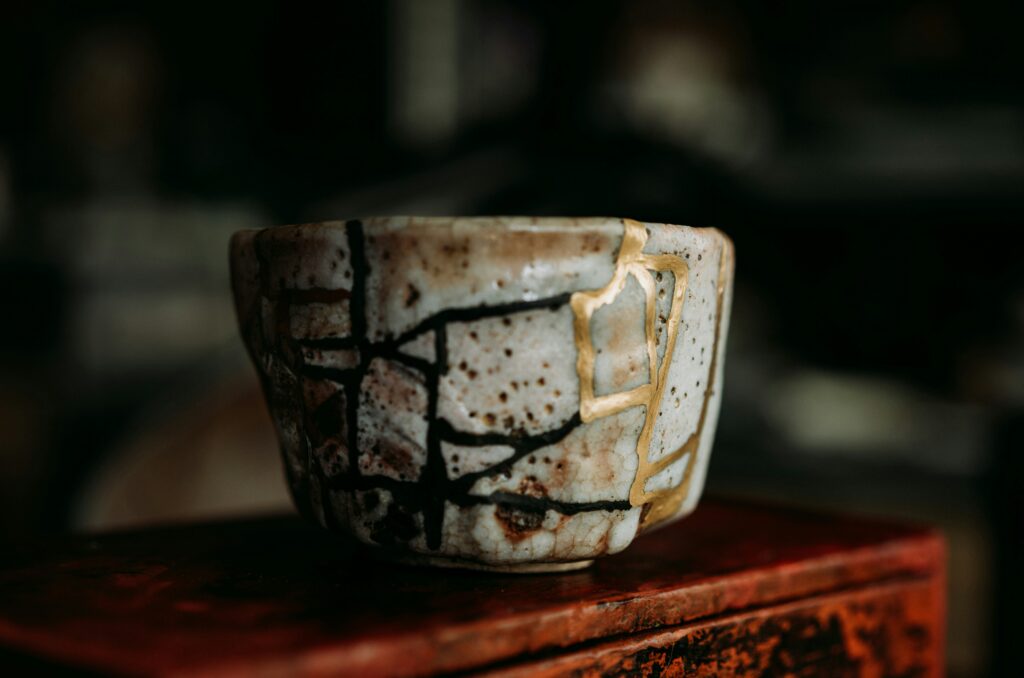
Kintsugi is a traditional Japanese art form in which broken pottery is mended with gold, silver, or platinum, highlighting rather than hiding the fractures. This process not only repairs the object, but also enhances its beauty and resilience. Kintsugi’s philosophy is a powerful metaphor for the human condition, teaching us that our scars, both physical and emotional, are more than just marks of pain; they are part of our story, making us uniquely beautiful.
The Art of Accepting Flaws
We, like the cracked pottery, have experienced setbacks, heartaches, and traumas that have left us feeling fragmented. These experiences can be viewed as flaws in our lives, which we frequently try to conceal or erase from our narrative. However, adopting the Kintsugi mindset encourages us to embrace our flaws and accept them as part of our identity.
Consider treating our emotional scars with the same respect as gold-infused lacquer. Rather than avoiding our past pains, we learn to accept and integrate them into our being, acknowledging that our difficulties contribute to our strength and character. This shift in perspective enables a type of healing that values resilience and personal growth.
Painting Our Soul’s Scars in Gold
The act of ‘painting our soul’s scars gold’ requires a few steps, similar to the meticulous process of Kintsugi:
1. Recognition and Acceptance: The first step is to acknowledge our emotional breaks and fractures. This requires introspection and honesty in confronting the reality of our experiences without passing judgement.
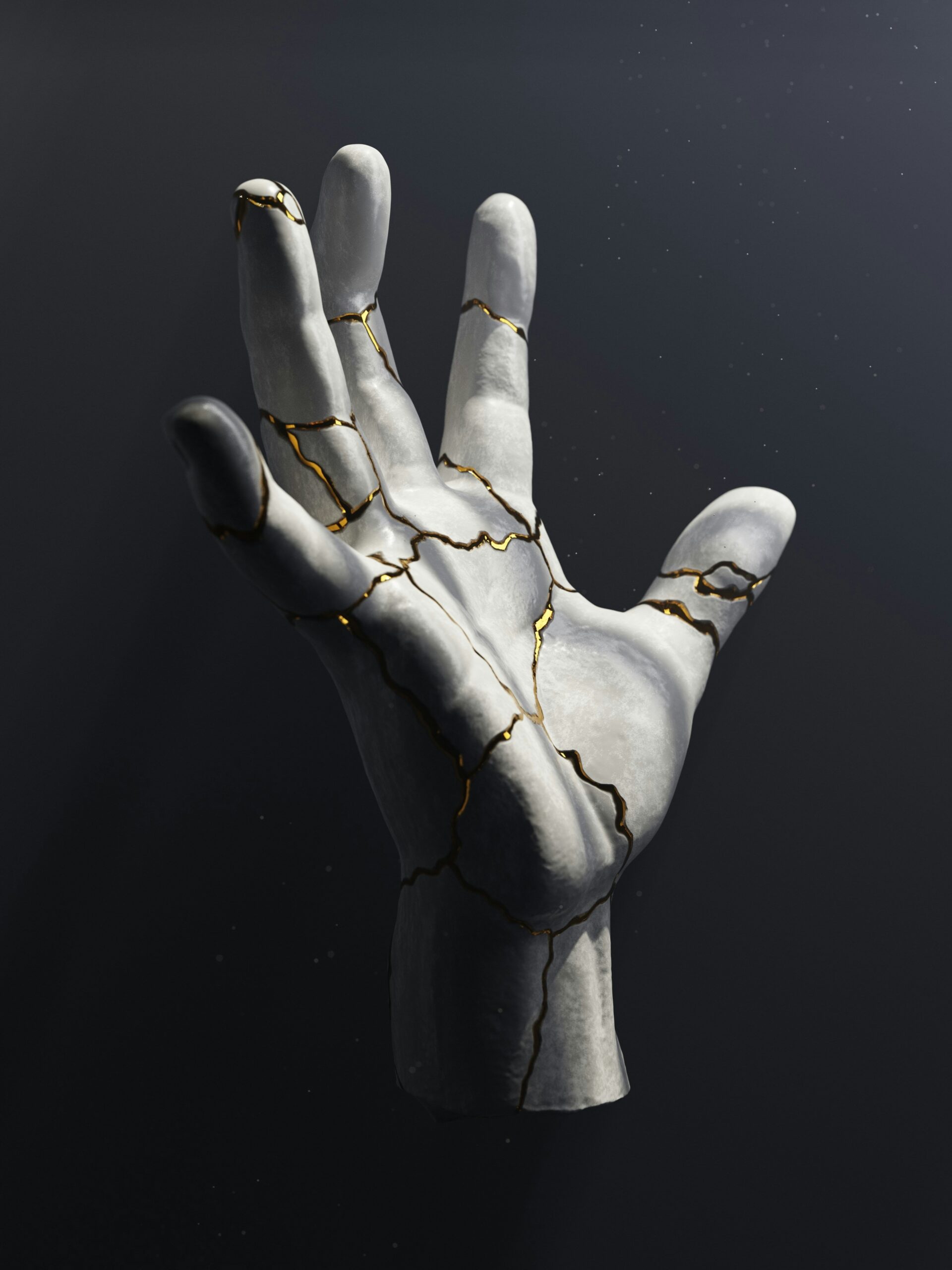
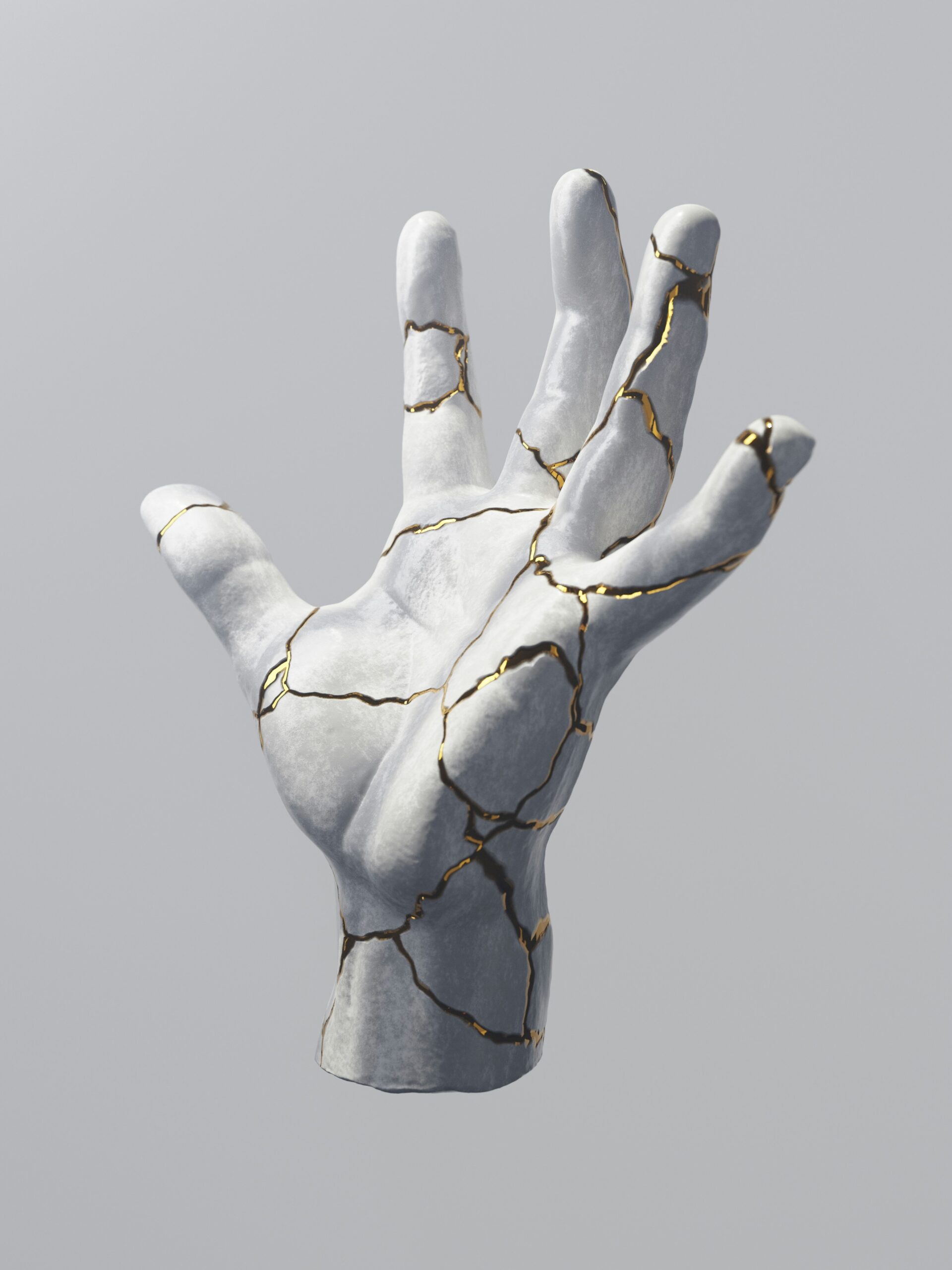
1. Application of Gold: Just as Kintsugi repairs breaks with precious metal, we can find valuable lessons and strengths in our struggles. This step focuses on finding the ‘gold’ in our experiences, which includes the wisdom, resilience, and growth that come from overcoming adversity.
1. Celebration of Scars: Rather than hiding our scars, we now proudly display them. This is not to say that we pleasure in our past pain, but rather that we see our scars as evidence of our ability to heal and evolve. They are signs of survival, indicating that we overcame challenges and emerged stronger.
Real-life Applications
Consider Sarah, who suffered a major career setback when her long-term job ended abruptly. Sarah initially saw this as a personal failure, a crack in her professional identity. However, through the lens of Kintsugi, she began to see this break as a chance to grow. The months that followed were difficult, but they were also a time of self-discovery and fresh starts. Sarah’s ‘gold’ was the new career path she carved out, one that was more in line with her interests and values. Her experience, once regarded as a flaw, has become a testament to her resilience and adaptability.
Incorporating Kintsugi into our Lives
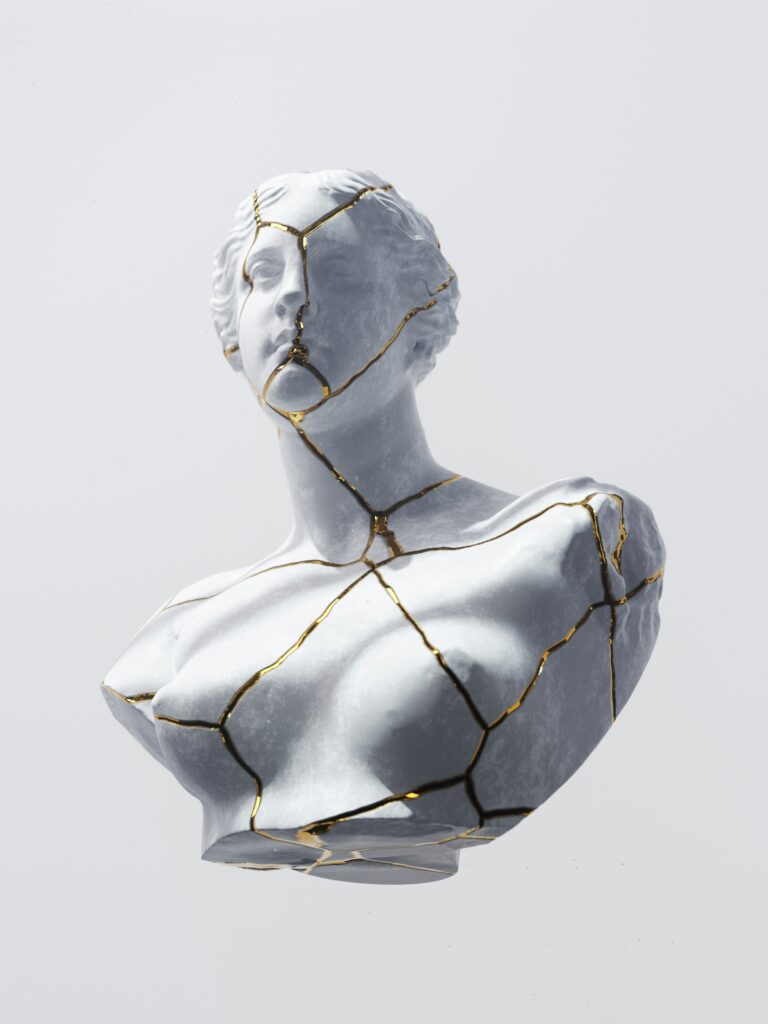
Integrating Kintsugi principles into our psyche promotes a shift from a perfectionism-driven culture to one of acceptance and authenticity. It encourages us to see our lives and ourselves in a new light, discovering beauty in the broken places and strength in our survival stories. This approach does not diminish the pain or difficulty of our experiences, but rather provides a path to healing that values our entire selves, scars and all.
Embracing our flaws and celebrating our resilience allows us to not only heal ourselves but also connect more deeply with others, sharing in the universal experience of being beautifully flawed. Let us then paint our soul’s scars gold, revealing the unique beauty and strength that each of us possesses.
Recent Comments